

Red Lobster creditors say former owner used Endless Shrimp to enrich itself
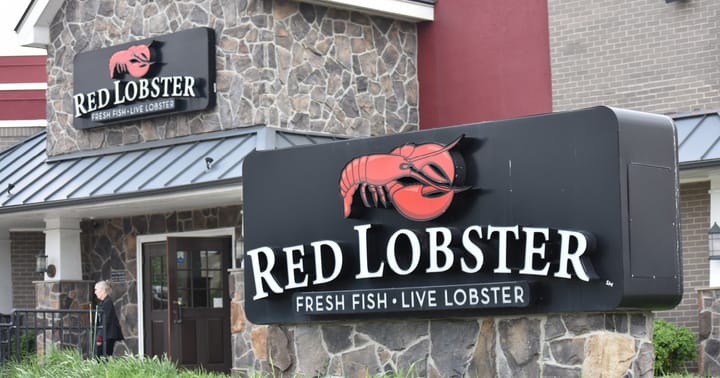
A lawsuit claims that seafood supplier Thai Union steered the chain to buy more shrimp, culminating in the all-you-can-eat promotion that preceded its bankruptcy.
June 26, 2026
Red Lobster’s former controlling stakeholder steered the restaurant to buy more of its shrimp in order to line its own pockets, according to a lawsuit from creditors of the restaurant chain.
According to the suit, filed last month in Orange County, Florida, seafood supplier Thai Union Group treated Red Lobster as a distribution arm for its own products, even when that hurt Red Lobster, paving the way to its bankruptcy in May 2024.
The alleged self-dealing culminated with Red Lobster’s disastrous Ultimate Endless Shrimp promotion in 2023, which offered customers unlimited servings of shrimp for $20. The lawsuit says the deal generated tens of millions of dollars in overpriced shrimp orders for Thai Union while hammering Red Lobster’s operations and bottom line.
The lawsuit was filed by the Red Lobster GUC Trust, which was formed in September of 2024 in part to pursue litigation against Thai Union on behalf of Red Lobster's lenders.
It names 13 defendants, including Thailand-based Thai Union and affiliates; the company’s CEO, Thiraphong Chansiri; and Paul Kenny, a Thai Union employee who also served as Red Lobster’s CEO for much of the period in question.
It calls for a jury trial to determine the damages owed by the defendants.
According to the lawsuit:
Thai Union had been supplying Red Lobster with seafood since the 1990s. In 2016, it took a 25% stake in the company with the goal of growing its direct-to-consumer business. Four years later, Thai Union and Paul Kenny created a new company, Seafood Alliance. Thai Union, Seafood Alliance, and affiliates then acquired a majority stake in Red Lobster from private-equity firm Golden Gate Capital.
Red Lobster was in the process of rebounding from COVID-19 and had hired a new CEO, Kelli Valade, in August 2021. But it faced challenges with inflation, rising labor costs, and consumer demand, and was struggling to generate a profit for its new owners.
This led several Thai Union executives, including Kenny, to take on a deeper role at Red Lobster, relocating to its Orlando headquarters. They were purportedly there to advise the company, but Kenny made it clear he was now in charge. Valade stepped down after just seven months on the job, and Kenny became interim CEO in August 2022. Valade said internally that Kenny's interference was part of the reason she resigned.
Kenny, along with several other Thai Union employees named in the lawsuit, acted as Thai Union's "boots on the ground" within Red Lobster. Their primary goal was to steer the restaurant chain to buy more shrimp from the company.
Under their leadership, “the emphasis on shrimp reached new heights” at Red Lobster, appearing in more dishes and promotions. Thai Union also took control of Red Lobster’s shrimp purchasing process, which had historically relied on multiple suppliers and a formal bidding process.
In May 2023, Kenny ordered Red Lobster to launch Ultimate Endless Shrimp for $20. Red Lobster had offered the deal in the past, but as a limited-time special. Under Kenny, it would be available every day. He also pushed the chain to include higher-quality shrimp in the offer without raising the price point. This was despite objections from Red Lobster employees, who told him the deal would lead to losses beyond whatever traffic it generated.
To help the restaurants meet the impending demand for shrimp, Kenny told Thai Union to begin ramping up production, side-stepping the chain’s typical supply chain process.
The Ultimate Endless Shrimp went live in late June, and demand was double what the company had anticipated.
The result was chaos. Customers flocked to Red Lobster for cheap shrimp, camping out at tables and quickly depleting the chain’s shrimp supply, all while the chain lost money. Kenny again asked Thai Union to produce more shrimp to meet the shortfall and refused suggestions that Red Lobster re-engage with the banned supplier. Ultimate Endless Shrimp would ultimately cost Red Lobster tens of millions of dollars.
In September, Kenny decided to raise prices on Endless Shrimp, and demand began to ease. Red Lobster General Counsel Horace Dawson was named CEO.
Days later, Red Lobster defaulted on a $275 million loan from Fortress Investment Group. Fortress and Thai Union worked on an out-of-court restructuring of Red Lobster’s finances, but negotiations failed when Thai Union declined to invest additional capital, and Fortress declined to provide new loans.
In January 2024, with bankruptcy looming, Thai Union announced that it planned to divest from Red Lobster.
The chain filed for bankruptcy in May 2024, with about $300 million in debt, after closing dozens of restaurants across the country. It exited that September via a sale to a group led by Fortress.
In April, Red Lobster brought Endless Shrimp back for the first time since bankruptcy, but for a limited time, and starting at $24.99.
Restaurant Business has reached out to Thai Union for comment.
About the Author
Joe Guszkowski
Senior editor, Restaurant Business
Joe Guszkowski is a senior editor with Restaurant Business covering technology and casual-dining chains.
Content Spotlight
The Technomic Top 500: Another tough year for chain restaurants
Top 500 chain restaurant sales slowed again in 2025 as consumers cut back on dining, but sectors like coffee, beverages and snacks and chicken thrived
Featured
Jun 25, 2026
Jun 17, 2026
Recent News
Content Spotlight
Get to know Rick Cardenas, the Darden CEO who started there as a busser
The executive shares his advice, along with his most-binged TV show, favorite sports team, and most-used app
Source: This story originated with Nation's Restaurant News.
View Original Article →