
Why Penn Station East Coast Subs is now Penn Station Sandwiches
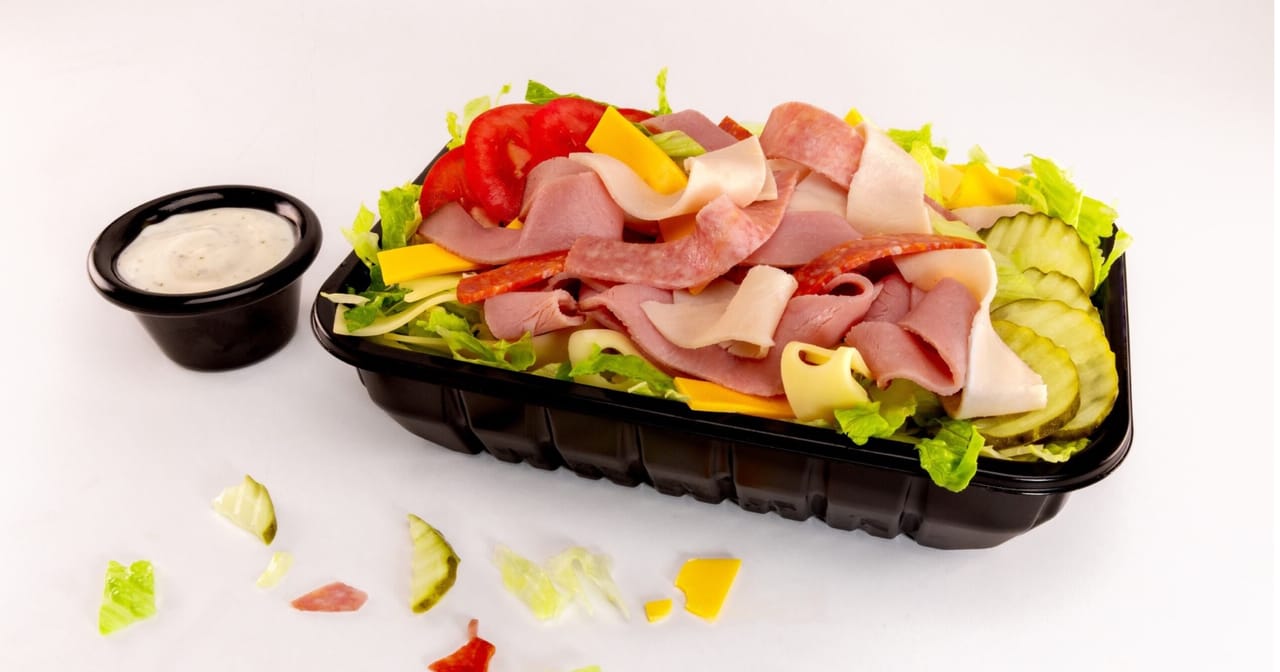
The 316-unit fast-casual chain still has hot subs. But now the menu includes cold sandwiches on nine-grain sliced bread, as well as wraps and bowls—all dishes that travel better for delivery.
June 1, 2026
Penn Station East Coast Subs has a new name and a new brand identity.
The 316-unit sandwich shop has changed its name to Penn Station Sandwiches.
Fans of the brand will still find grilled-to-order hot subs, like the signature cheesesteak, on the menu. But the chain has added new cold sandwiches on sliced nine-grain bread, as well as wraps and bowls.
The name change is designed to bring attention to the broader menu offerings, said Craig Dunaway, Penn Station’s chief operating officer.
And the broader menu offerings are designed to evolve the brand for today’s consumer.
Before the pandemic, about 90% of Penn Station’s sales were based on hot subs, enjoyed mostly in restaurants. But the rise of third-party delivery in the post-COVID-19 era has forced the brand to rethink the menu.
Hot subs and fresh-cut fries just aren’t as delicious when eaten 45 minutes to an hour later, said Dunaway. (Despite that fact, fries remain the brand’s No. 1 seller for delivery.)
“What we’re trying to do is create a menu that is more portable,” he said.
The new cold sandwiches, wraps and bowls also work well for catering, which Penn Station sees as a growing opportunity.
The bowls, for example, are not called “salads,” though the ingredients are served on lettuce. “It’s really a breadless sandwich,” said Dunaway.
(And those bowls are heavy on protein, but Dunaway said the chain has been debating whether to promote the dish that way. “I’m hesitant, because I don’t know if we’re in a fad or trend phase with [protein],” he said.)
And there are now more options for consumers seeking value. A half sandwich starts at $4.99, for example, and the Penn Pair is a seasonally rotating option of a half sandwich or 6-inch sub with fries for $7.99.
The chain’s famous cookies have also been shrunk in size and are now available by the dozen—an idea that came from a franchisee that has rolled it out systemwide, Dunaway said.
The rebranding also comes as Penn Station works to move underperforming operators out of the almost-entirely-franchised system.
Penn Station ended 2025 with 322 units and sales of $264 million, a 0.7% increase over the prior year.
Now the unit count stands at 316, reflecting some closures that Dunaway describes as “growth through attrition.”
Such closures hurt near-term numbers but will ultimately drive up the chain’s average unit volume and make it easier to sell the brand to franchisees, he said.
Dunaway said that, if the chain closed the bottom 10% of units, the AUV would grow by about $40,000.
And working with underperformers is a drain on the franchise team, he said. “It’s a time and energy suck.”
Penn Station operates in 14 states across the Midwest, mostly in Ohio.
Despite the unit shrinkage, Penn Station is also looking to grow again, though not in new markets. For now, the brand is looking to grow in markets where there is already a brand presence, like in Charlotte, North Carolina, where Dunaway said there are 12 locations and room for another 40.
The rebranding will take some time, but Dunaway expects it to be finished by the end of the year.
Customer feedback has been great so far, he said.
“The biggest challenge is working with franchisees that have been around forever,” said Dunaway. “People don’t like change.”
About the Author
Lisa Jennings
Executive Editor, Restaurant Business
Lisa Jennings is a veteran restaurant industry reporter and editor who covers the fast-casual sector, independent restaurants and emerging chain concepts. Her experience includes other industry publications as well as the daily newspaper The Commercial Appeal in Memphis, Tenn., where she was Food Editor. Her work has been cited in the Los Angeles Times, Business Insider, FoodBeast, The Huffington Post, Time.com and more.
Content Spotlight
The Technomic Top 500: Another tough year for chain restaurants
Top 500 chain restaurant sales slowed again in 2025 as consumers cut back on dining, but sectors like coffee, beverages and snacks and chicken thrived
Featured
May 28, 2026
May 21, 2026
Recent News
Content Spotlight
Get to know Rick Cardenas, the Darden CEO who started there as a busser
The executive shares his advice, along with his most-binged TV show, favorite sports team, and most-used app
Source: This story originated with Nation's Restaurant News.
View Original Article →